
Water Softener Installation and Repair for Currituck County and the Outer Banks
If your home runs on well water in Currituck County, there's a good chance the water coming through your pipes is carrying more dissolved minerals than your appliances, fixtures, and water heater would prefer. Hard water isn't always obvious — it shows up slowly, as scale buildup inside your water heater, as shortened fixture life, as soap that never quite lathers right. We assess the water conditions specific to your home and tell you straight whether a softener makes sense. Not every home needs one. If yours does, we handle the installation, integration with your existing supply lines, and system commissioning — start to finish.

What Hard Water Is Actually Doing to Your Plumbing
Hard water is groundwater with elevated levels of calcium and magnesium. In Currituck County, homes on private well systems are especially prone to mineral-heavy water, and the effects compound over time. Sediment and scale accumulate inside water heaters, forcing the heating element to work harder and shortening the unit's lifespan. The same buildup restricts flow through fixtures and supply lines, quietly degrading the infrastructure throughout your home.
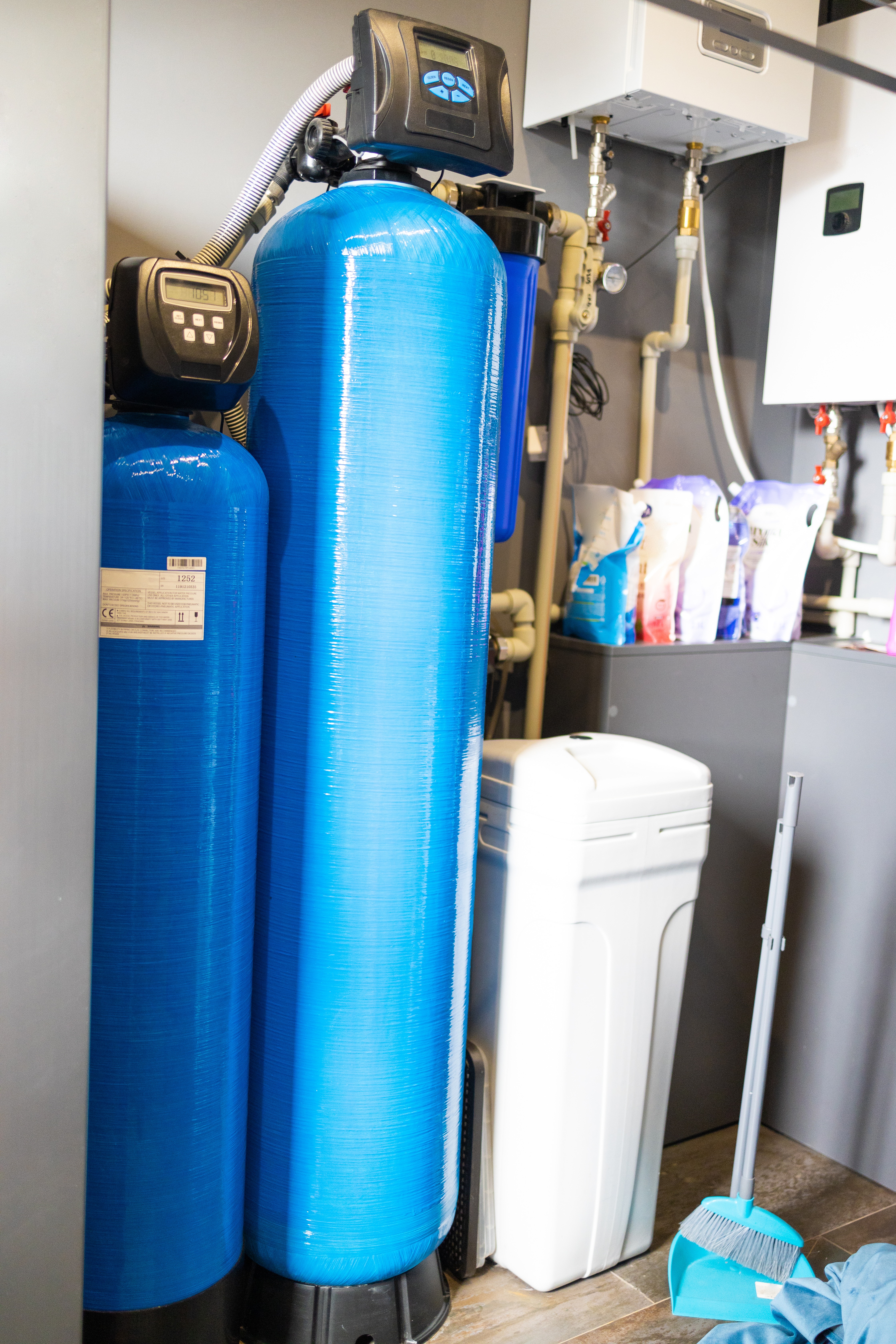
A water softener works by exchanging those dissolved minerals for sodium ions before the water reaches your appliances. The result is water that's easier on everything it touches — your water heater, your dishwasher, your shower fixtures, your pipes. For homeowners on well systems, a softener isn't a luxury upgrade. It's a practical investment in the plumbing infrastructure they already have.
Installation: What the Process Looks Like
Water softener installation is a licensed plumbing scope, and it's one we handle routinely. Here's what's involved:
- Water assessment: We look at what's actually in your water before recommending a system — hardness level, iron content, and any other factors that affect which type of softener fits your home.
- System selection: Not every softener is the same. We recommend the right capacity and configuration for your household size and water chemistry.
- Supply line integration: The softener connects to your main supply line before water reaches your water heater and fixtures. We handle the plumbing connections cleanly and to code.
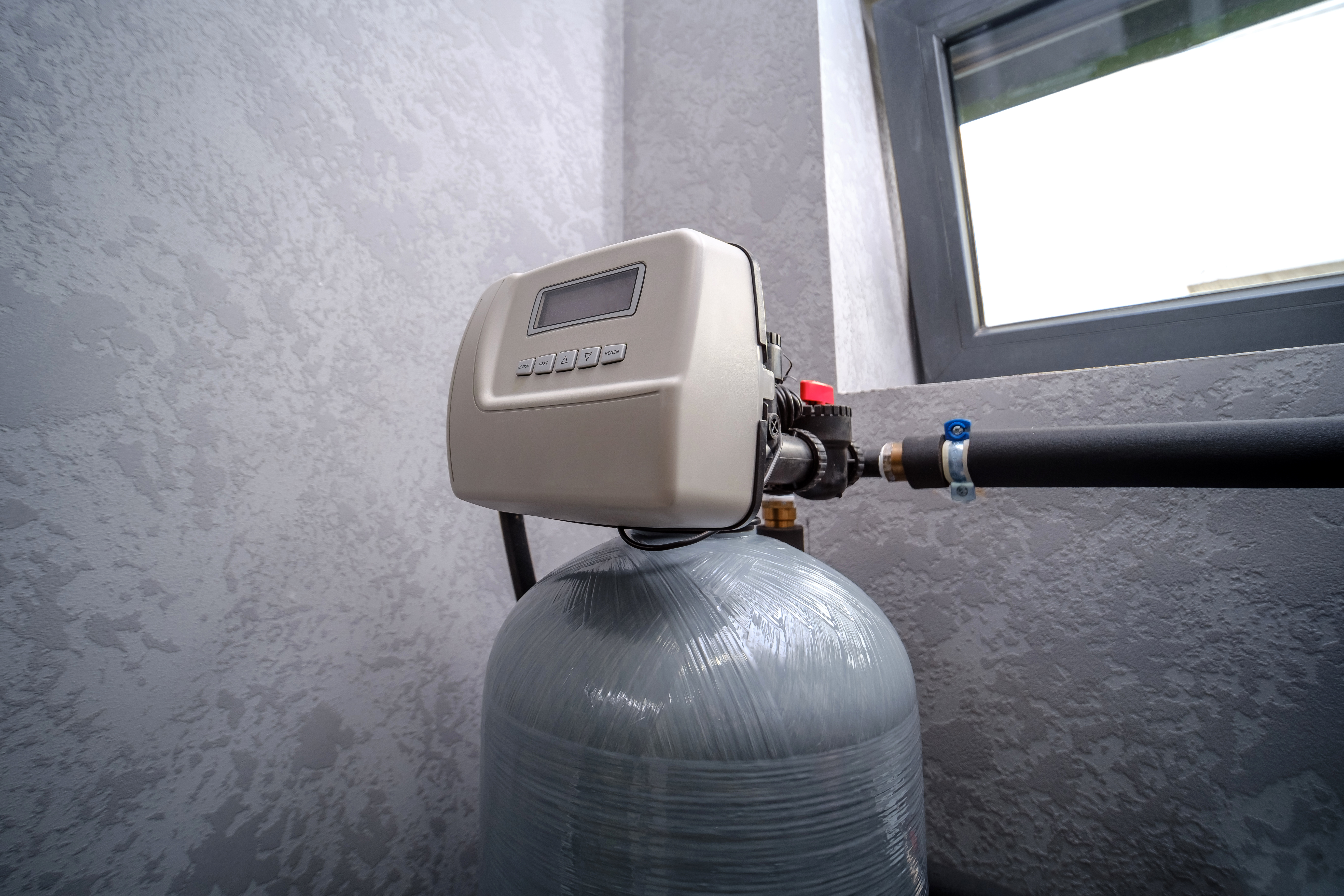
- System commissioning: We set the regeneration cycle, verify the bypass valve is functioning, confirm flow and pressure are correct, and walk you through basic operation before we leave.
- Whole-house coverage: Once installed, every faucet, appliance, and fixture in the home draws from softened water.
If your home is on a private well, we can coordinate water softener installation alongside well pump service so both systems are working together correctly.
Repair and Troubleshooting for Existing Systems
If you already have a water softener that isn't performing the way it should, we diagnose and repair existing systems as well. Common issues we see include:
- Salt bridges or mushing in the brine tank preventing proper regeneration
- Resin media that's exhausted and needs replacement
- Control valve failures affecting cycle timing
- Bypass valve problems leaving water unsoftened
- Iron fouling in systems dealing with high-iron well water
If your water has started feeling hard again, your salt is disappearing faster than it should, or your system is running regeneration cycles at odd times, those are signs something isn't right. We troubleshoot the specific problem rather than recommending a full replacement when a repair will do the job.
Hard Water and Your Water Heater: The Connection Worth Understanding
One of the clearest arguments for a water softener is what hard water does to a water heater over time. Mineral scale accumulates on the heating element and along the bottom of the tank. The unit runs longer to reach temperature, energy costs creep up, and the tank's effective lifespan drops. In areas with particularly hard water, this process accelerates enough that homeowners end up replacing a water heater years earlier than they should have to.
A water softener installed upstream of the water heater removes the minerals before they ever reach the tank. It's one of the more straightforward ways to extend the life of an appliance that costs several hundred to several thousand dollars to replace. If you've had repeated water heater issues or you're on well water in Currituck County, it's worth having us assess whether your water quality is contributing to the problem.
Common Questions About Water Softeners
How do I know if I actually need a water softener?
The clearest signs are scale buildup around faucets and showerheads, spots on dishes and glassware after washing, and soap or shampoo that doesn't lather well. Homes on private wells in Currituck County are more likely to have hard water than homes on municipal supply. We can assess your water conditions and give you an honest answer — if a softener won't make a meaningful difference for your home, we'll tell you.Does a water softener require a lot of maintenance?
The main ongoing task is keeping the brine tank supplied with salt, which most homeowners handle on their own. Depending on your water chemistry and household usage, you'll refill salt every one to three months. Beyond that, the system regenerates automatically on a set schedule. We walk you through everything at installation so you know what to expect.Can a water softener be installed if my home is on a private well?
Yes, and it's actually one of the most common setups we work with in Currituck County. Homes on well systems often deal with harder water and higher iron content than homes on municipal supply. In some cases, we recommend a pre-filter for iron removal ahead of the softener to protect the resin media. We look at your specific water conditions and configure the system accordingly.
Water Softener Service Across Currituck County and the Outer Banks
We serve homeowners throughout Currituck County — including Barco, Moyock, and Grandy — and across the Outer Banks. Whether you're a year-round resident dealing with hard well water or a vacation property owner looking to get your home's plumbing in better shape during the off-season, we're the same licensed plumber either way. Patrick handles every job directly, so you're talking to the person who actually does the work from the first call through the final walkthrough.